
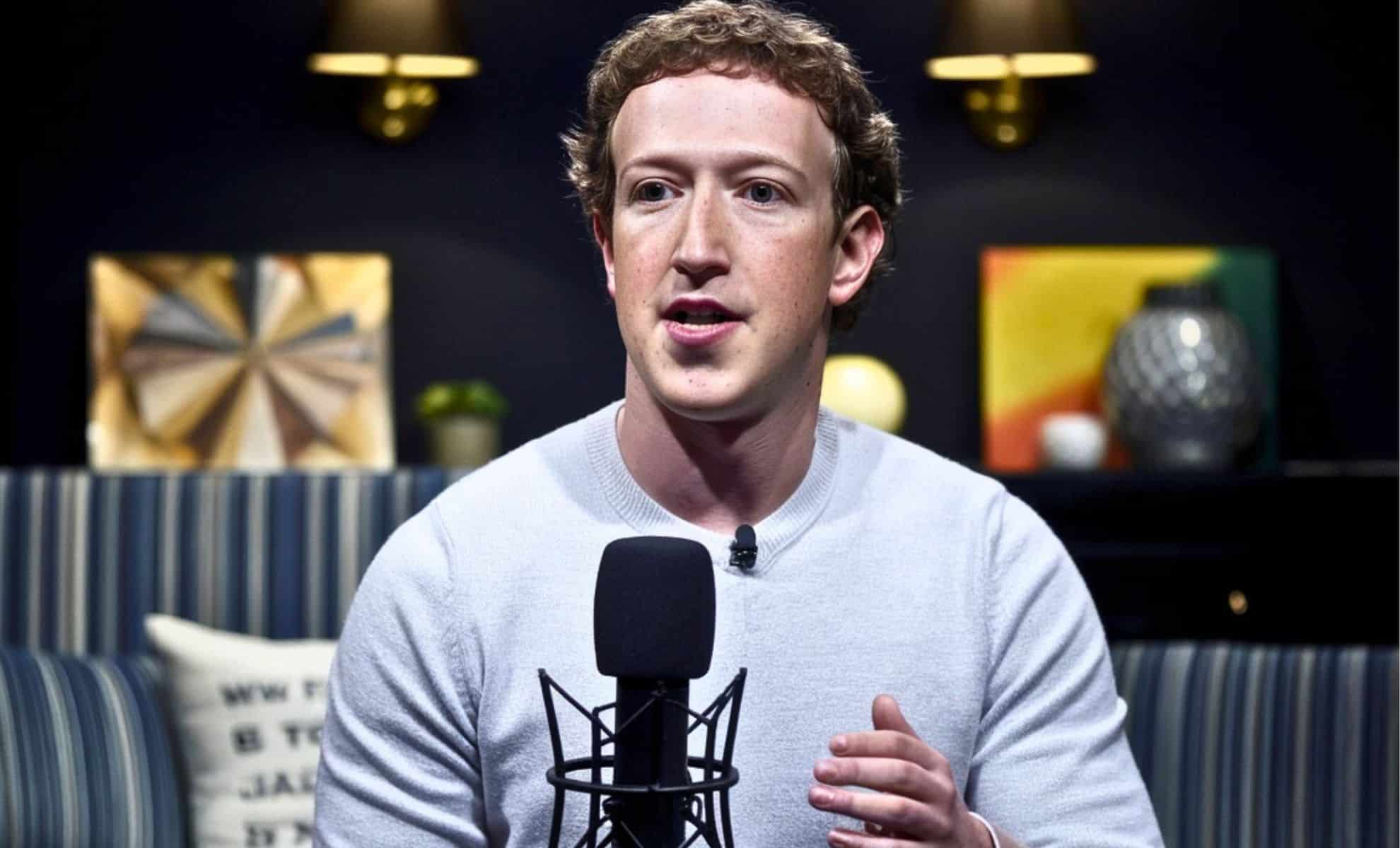
Imagine a world where you don’t need to fish your phone out of your pocket to check a notification, call a friend, or get directions. A world where the glowing rectangle that’s been glued to our hands for decades becomes a relic of the past. Sounds like science fiction, right? Well, according to Mark Zuckerberg, CEO of Meta, this future isn’t just possible—it’s imminent. In a bold declaration that’s got the tech world buzzing, Zuckerberg has claimed that mobile phones are on their way out, and he’s betting big on the technology that will replace them: smart glasses.

The Smartphone Era: A Reign Nearing Its End?
For nearly three decades, smartphones have been our trusty sidekicks. They’ve revolutionised how we communicate, work, and play, shrinking the world into a touchscreen we carry everywhere. But if Zuckerberg’s prediction holds water, their dominance might be nearing its twilight. Why? Because, as he sees it, people are tired of being tethered to screens. The constant scrolling, the neck strain, the endless notifications—it’s all starting to feel like a burden rather than a blessing.
Zuckerberg isn’t alone in this sentiment. Tech insiders have been whispering about the next big shift for years, and it’s not about making phones thinner or faster. It’s about replacing them entirely with something more intuitive, more integrated into our lives. Enter smart glasses—Meta’s vision for the future of personal tech.

Smart Glasses: The Next Frontier
So, what’s the deal with smart glasses? If you’re picturing clunky headsets or those awkward Google Glass prototypes from the early 2010s, think again. Meta’s been pouring resources into sleeker, smarter designs that blend fashion with function. Take their partnership with Ray-Ban, for example. The Ray-Ban Meta smart glasses pack cameras, speakers, and voice control into a stylish frame that doesn’t scream “gadget geek.” But that’s just the warm-up act.
The real star of Zuckerberg’s vision is Orion, Meta’s experimental augmented reality (AR) glasses. Unlike anything we’ve seen before, Orion promises to ditch the handheld screen altogether. With eye-tracking, voice commands, and hand gestures, these glasses let you interact with digital content as naturally as you’d chat with a friend. Picture this: walking down the street, getting real-time navigation tips projected into your view, or catching up on news without ever glancing down. It’s tech that doesn’t interrupt your life—it enhances it.
Zuckerberg’s big pitch? Convenience. “There will come a time when your smartphone spends more time in your pocket than out of it,” he’s said. Smart glasses, he argues, will become so seamless that reaching for a phone will feel outdated. Voice commands will replace taps, AI overlays will deliver info on demand, and instant translations could even break down language barriers in real time. It’s a future where tech fades into the background, leaving us free to live in the moment.

Why Now?
Timing is everything, and Zuckerberg seems to think the stars are aligning. Advances in AR, AI, and miniaturization have made smart glasses more practical than ever. Meta’s already seeing “healthy retention” with Ray-Ban Meta glasses for things like phone calls and music, hinting that users are warming up to the idea. Plus, with competitors like Apple jumping into the AR game with Vision Pro, the race is on to define the next computing platform.
But it’s not just about tech readiness—it’s about us. After years of screen fatigue, people are craving a change. Smartphones have hit a plateau; the upgrades feel incremental, not revolutionary. Zuckerberg’s betting that we’re ready to trade pocket-sized screens for something that feels less like a device and more like an extension of ourselves.

The Road Ahead: Hype or Reality?
Of course, bold claims are one thing—delivering is another. Smart glasses aren’t taking over tomorrow. Smartphones will stick around for years, handling tasks glasses can’t yet touch. Cost is a hurdle too—early adopters might shell out for Orion, but not everyone can afford a futuristic accessory. And let’s not forget privacy concerns. Cameras and AI on your face? That’s a debate waiting to happen.
Still, Zuckerberg’s track record gives this vision some weight. He turned Facebook into a global giant and pushed VR from niche to mainstream with Quest headsets. If anyone can nudge us toward a post-phone world, it’s him. Meta’s not stopping at Orion either—they’re already working on Aria Gen 2, glasses designed to supercharge AI and robotics research. This isn’t a one-off experiment; it’s a long-term play.
What Do You Think?
So, are you ready to ditch your phone for a pair of high-tech shades? Or does this feel like another tech billionaire’s pie-in-the-sky promise? I’ll admit, the idea of hands-free calling and AR navigation sounds pretty slick—but I’m not tossing my phone just yet. Change this big takes time, and there’s plenty of room for skepticism.
One thing’s for sure: Zuckerberg’s declaration has sparked a conversation worth having. Whether smart glasses become the next smartphone or just a fancy sidekick, the future of tech is looking less screen-bound and more human-centric. What’s your take? Drop your thoughts in the comments—I’d love to hear where you stand on this one!


One thought on “The End of Mobile Phones? Zuckerberg’s Bold Vision for the Future”