

Apple is in trouble. Specifically, a lawsuit filed in Silicon Valley claims the tech giant exaggerated its Apple Watches’ eco-friendliness. For example, buyers of the Series 9, Ultra 2, and SE (2nd generation) are upset. They say Apple’s “carbon neutral” label is misleading. Because it was filed on February 26, 2025, this case could expose greenwashing. So, what’s the real story? Let’s explore this Apple Watch lawsuit now.

Background on the Lawsuit
Seven buyers started the lawsuit. They’re from California, Florida, and Washington, D.C. Moreover, they argue Apple’s carbon neutral claim isn’t true. In September 2023, Apple launched these watches as its first carbon neutral products. The company said it cut emissions and used carbon offsets. However, the plaintiffs disagree. They claim two projects Apple relies on don’t work.
Additionally, the lawsuit seeks damages and an injunction. It wants to stop Apple from using the carbon neutral label. If approved as a class-action, it could include all U.S. buyers. Therefore, this case, Dib et al v Apple Inc, matters a lot.
The Projects in Question
Apple highlights two projects for its carbon offsets. Let’s break them down clearly.
- Chyulu Hills Project (Kenya)
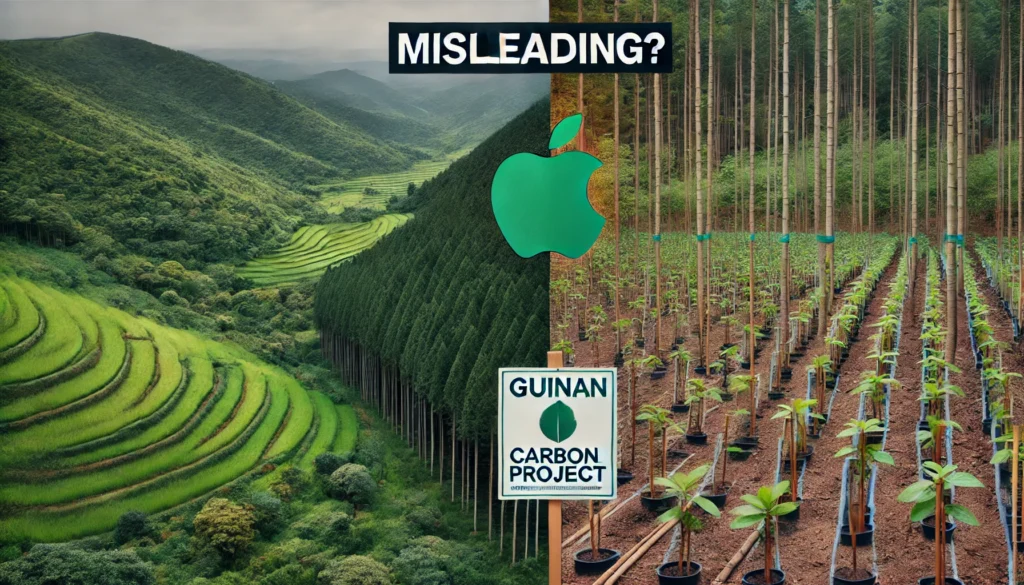
Apple says this project stops deforestation. It claims to create carbon credits. Yet, the lawsuit says the land is already protected. Since 1983, Chyulu Hills National Park has had safeguards. Thus, Apple’s role might not add value. - Guinan Project (China)
This project aims to plant trees on bare land. Apple says it removes carbon. But the plaintiffs argue otherwise. They say the area had trees before 2015. Consequently, the project didn’t help much.
In both cases, the carbon savings might not be real. For instance, the lawsuit calls this misleading. It questions Apple’s green claims entirely.
Apple’s Defense
Apple isn’t backing down. On February 27, 2025, it responded to AFP. Specifically, the company said it cut Apple Watch emissions by over 75%. Additionally, it invests in projects to remove carbon. For example, Apple claims it retired 485,000 metric tons of carbon dioxide. Much of this comes from Chyulu Hills and Guinan.
Meanwhile, Apple aims to be carbon neutral by 2030. It uses clean energy and recycled materials. Still, the lawsuit challenges whether offsets really work.

What It Means for Consumers
This lawsuit shines a light on greenwashing. Basically, that’s when companies fake eco-friendly efforts. Buyers care about this issue. According to a study, 70% of U.S. and Canadian shoppers value sustainability. They often pay more for green items. However, if Apple’s claims are false, trust could drop.
For Apple Watch owners, this hits home. Did they buy a truly carbon neutral product? The lawsuit says no. Because of this, it suggests offsets hide the real impact. Therefore, consumers may demand better proof from tech brands.
Conclusion
This Apple Watch lawsuit is a big deal. It tests how honest companies are about climate goals. Will Apple prove its claims? Or will this reveal a greenwashing mess? Because the case is just starting, we’ll see what happens. Share your thoughts below. Meanwhile, stay tuned for updates.


